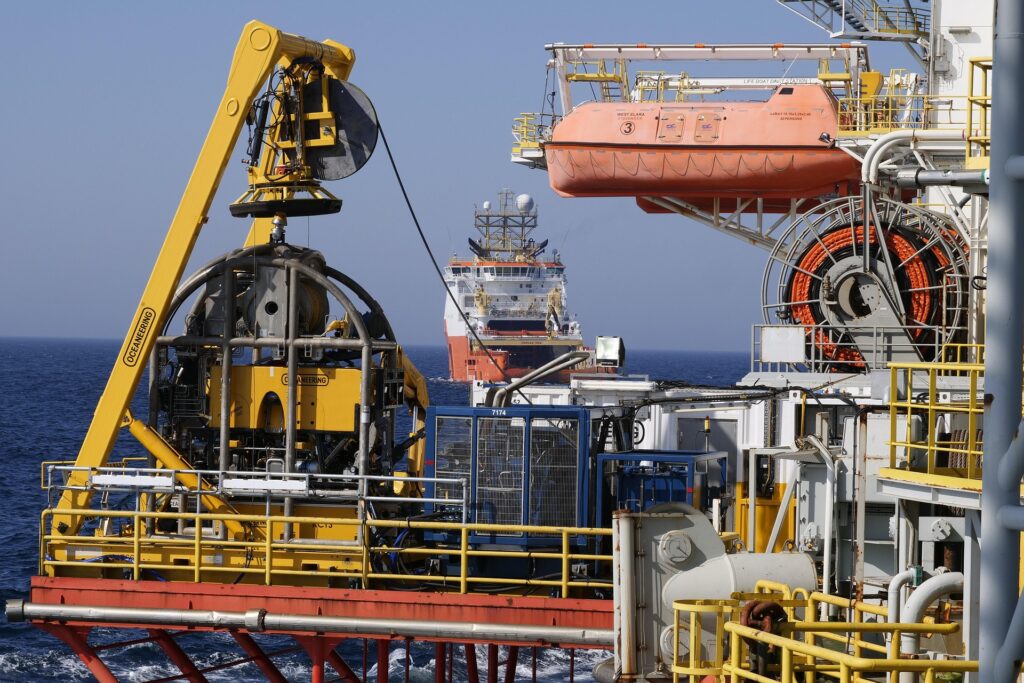
The oil and gas industry relies heavily on powerful machinery and complex equipment to drill, extract, and transport petroleum resources. From drilling rigs and hydraulic systems to pumps and heavy lifting machines, oilfield operations involve equipment that operates under extreme pressure and demanding conditions.
While this machinery is essential for oil production, it also creates serious risks for workers. Equipment failures, mechanical malfunctions, and improper handling can lead to severe workplace accidents. These incidents often cause serious injuries that require long-term medical treatment and may prevent workers from returning to their jobs.
When such accidents occur due to negligence, defective equipment, or unsafe working conditions, injured workers may have the right to pursue compensation. An experienced oilfield equipment accident lawyer can help victims file a drilling rig injury claim and recover damages for medical expenses, lost wages, and pain and suffering.
Understanding your legal rights after an oilfield equipment accident is critical to protecting your financial future and ensuring responsible parties are held accountable.
The Role of Equipment in Oilfield Operations
Oilfield work involves a wide range of heavy machinery designed to perform specialized tasks. These machines help workers drill deep into the earth, transport materials, and maintain production systems.
Some of the most commonly used oilfield equipment includes:
- Drilling rigs
- Hydraulic systems
- Pumps and compressors
- Cranes and hoists
- Pipe handling machines
- Pressure control equipment
These machines operate under intense conditions, including high pressure, heavy loads, and extreme temperatures. When equipment fails or is improperly used, workers can be exposed to serious hazards.
Common Causes of Oilfield Equipment Accidents
Many oilfield machinery accidents occur due to preventable factors such as negligence, poor maintenance, or safety violations. Some of the most common causes include:
Mechanical Failure
Oilfield machinery is subjected to constant stress during operations. If components such as gears, valves, or hydraulic systems fail, they can cause dangerous accidents.
Poor Maintenance
Regular maintenance is essential to ensure equipment operates safely. Failure to inspect and repair machinery can lead to breakdowns that put workers at risk.
Defective Equipment
Sometimes equipment is designed or manufactured with defects that make it unsafe to use. In these cases, the manufacturer may be responsible for injuries caused by the faulty machinery.
Inadequate Training
Operating complex oilfield equipment requires proper training. Workers who are not adequately trained may make mistakes that result in accidents.
Safety Violations
Companies must follow strict safety regulations when operating heavy machinery. Ignoring these regulations can lead to dangerous working conditions.
Lack of Protective Guards
Machinery should include protective guards and safety systems to prevent workers from coming into contact with moving parts. When these safeguards are missing, injuries become more likely.
These factors often combine to create extremely hazardous situations on oilfield job sites.
Types of Oilfield Equipment Accidents
Oilfield machinery accidents can take many forms depending on the type of equipment involved.
Some common types of accidents include:
Crushing Accidents
Heavy equipment may trap or crush workers between machinery components or other structures.
Entanglement Injuries
Workers may become caught in moving parts such as rotating shafts, belts, or drilling equipment.
Equipment Malfunctions
Sudden equipment failures can cause machinery to move unexpectedly, injuring nearby workers.
Falling Equipment
Cranes and hoists used to lift heavy materials may drop loads if mechanical components fail.
Hydraulic System Failures
Hydraulic pressure systems can release force suddenly, causing serious injuries.
These accidents can happen quickly and often result in severe injuries.
Injuries Caused by Oilfield Equipment Accidents
Machinery accidents in oilfields often result in life-changing injuries due to the size and power of the equipment involved.
Crush Injuries
Workers trapped between heavy equipment may suffer crushed bones, internal injuries, or organ damage.
Amputations
Contact with moving machinery can result in the loss of fingers, hands, arms, or legs.
Traumatic Brain Injuries
Head injuries may occur when workers are struck by equipment or thrown during an accident.
Spinal Cord Injuries
Serious accidents can damage the spine, potentially leading to paralysis or long-term mobility issues.
Broken Bones
Heavy equipment accidents often result in fractures to the arms, legs, ribs, and other bones.
Burn Injuries
Some machinery uses high temperatures or flammable substances that can cause burns during accidents.
These injuries can require extensive medical care and rehabilitation.
Who Can Be Held Responsible for Equipment Accidents?
Determining liability in oilfield equipment accidents can be complicated because multiple parties may be involved in machinery operations and maintenance.
An experienced oilfield equipment accident lawyer can investigate the incident and identify responsible parties.
Possible liable parties include:
Oilfield Companies
Employers are responsible for maintaining safe working conditions and ensuring that equipment is properly maintained.
Equipment Manufacturers
If machinery contains design or manufacturing defects, the manufacturer may be held liable for resulting injuries.
Maintenance Companies
Third-party companies responsible for inspecting or repairing machinery may be liable if they fail to detect or fix problems.
Contractors
Contractors working on oilfield sites may contribute to unsafe conditions that lead to equipment accidents.
Identifying all responsible parties is essential for securing full compensation for injured workers.
Compensation for Drilling Rig Injury Claims
Workers injured in oilfield equipment accidents may be entitled to various forms of financial compensation.
A successful drilling rig injury claim may include several types of damages.
Medical Expenses
Oilfield equipment injuries often require extensive medical treatment.
Compensation may cover:
- Emergency medical care
- Hospitalization and surgeries
- Physical therapy and rehabilitation
- Prescription medications
- Long-term medical care
Future medical expenses may also be included in the claim.
Lost Wages
Serious injuries may prevent workers from returning to their jobs for an extended period.
Victims may recover compensation for:
- Lost income during recovery
- Reduced earning capacity
- Future lost wages
Because oilfield jobs often provide high incomes, these financial losses can be substantial.
Pain and Suffering
Victims may also receive compensation for the physical and emotional pain caused by their injuries.
This may include damages for:
- Chronic pain
- Emotional distress
- Mental trauma
- Reduced quality of life
Disability Compensation
Permanent injuries may require long-term care and assistance.
Compensation may cover:
- Ongoing medical treatment
- Assistive devices
- Home modifications
- Personal care services
These resources help injured workers maintain independence and stability.
Wrongful Death Claims
If an oilfield equipment accident results in a fatality, surviving family members may file a wrongful death lawsuit.
Compensation may include:
- Funeral and burial expenses
- Loss of financial support
- Loss of companionship
- Emotional suffering
These claims help families cope with the financial impact of losing a loved one.
Steps to Take After an Oilfield Equipment Accident
Workers injured in equipment accidents should take several important steps to protect their health and legal rights.
- Seek immediate medical attention.
- Report the accident to supervisors or management.
- Document injuries and accident details.
- Take photographs of the equipment and accident scene if possible.
- Gather witness contact information.
- Contact an oilfield equipment accident lawyer before speaking with insurance companies.
Taking these steps can help preserve evidence and strengthen a legal claim.
Why You Need an Oilfield Equipment Accident Lawyer
Oilfield machinery accident cases can be complex because they often involve large corporations, technical equipment, and multiple responsible parties.
An experienced oilfield equipment accident lawyer can help victims by:
- Investigating the cause of the accident
- Gathering evidence and expert testimony
- Identifying liable parties
- Calculating the full value of damages
- Negotiating with insurance companies
- Representing victims in court if necessary
Legal professionals understand the regulations governing oilfield operations and machinery safety, allowing them to build strong cases for injured workers.
Preventing Oilfield Equipment Accidents
Many oilfield machinery accidents can be prevented when companies prioritize worker safety.
Important safety measures include:
- Regular equipment inspections
- Proper machinery maintenance
- Worker safety training
- Installation of protective guards and safety systems
- Compliance with industry safety regulations
When companies implement these practices, they can significantly reduce the risk of serious accidents.
Final Thoughts
Oilfield equipment accidents are among the most serious workplace hazards in the oil and gas industry. Heavy machinery, high-pressure systems, and complex operations create dangerous conditions for workers.
When accidents occur due to negligence, defective equipment, or unsafe working practices, injured workers have the right to pursue compensation.
An experienced oilfield equipment accident lawyer can help victims file a drilling rig injury claim, investigate the cause of the accident, and secure the compensation they deserve.
Taking legal action not only helps injured workers recover financially but also encourages companies to improve safety practices and prevent future accidents in the oilfield industry.