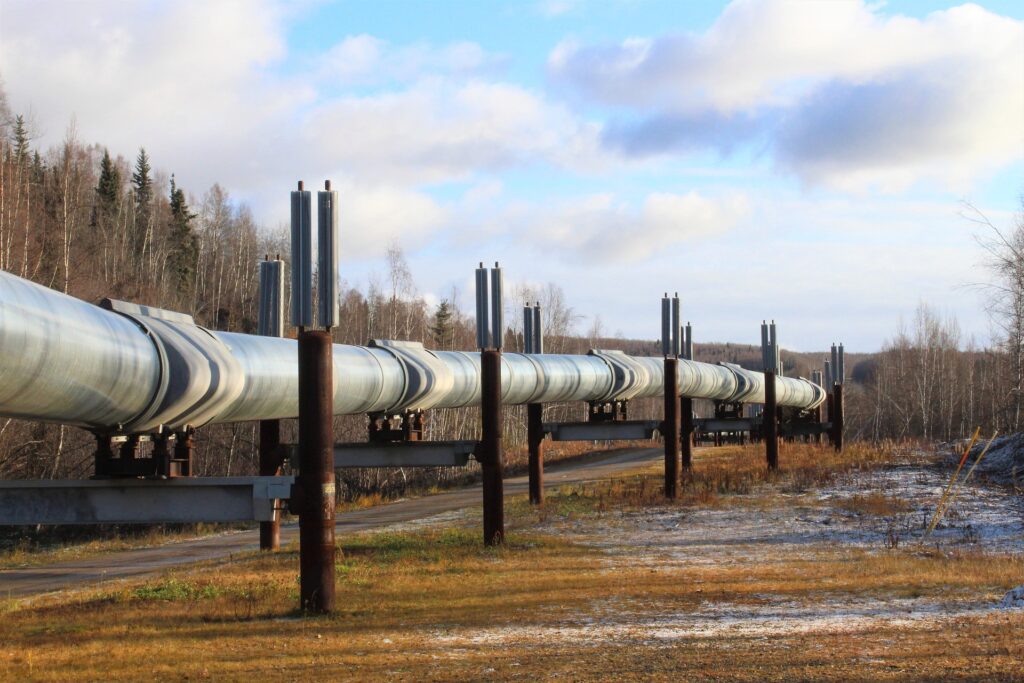
Oil and gas pipelines play a critical role in transporting crude oil, natural gas, and refined petroleum products across long distances. These pipelines operate under extreme pressure and often carry highly flammable substances. While they are essential for the energy industry, they also pose significant dangers to workers involved in construction, maintenance, and inspection.
One of the most serious risks associated with pipelines is an explosion. A pipeline explosion can cause catastrophic injuries, massive property damage, and even fatalities. Workers near the site of the explosion may suffer severe burns, broken bones, traumatic injuries, and long-term health problems.
If you or a loved one has been injured in a pipeline explosion, you may be entitled to financial compensation. An experienced pipeline explosion lawyer can help injured workers pursue legal claims and recover damages for medical expenses, lost wages, and pain and suffering.
Understanding your legal options after such an accident is essential to protecting your rights and securing the financial support you need for recovery.
Understanding Pipeline Explosions
Oil and gas pipelines transport volatile substances that can ignite easily if released into the air. When a pipeline ruptures or leaks, flammable gases or liquids can accumulate and explode if they come into contact with a spark or heat source.
Pipeline explosions are particularly dangerous because they often produce powerful blast waves and intense fires. Workers in the surrounding area may be exposed to extreme heat, flying debris, and toxic fumes.
These explosions can occur in various locations, including:
- Oil fields and drilling sites
- Pipeline construction zones
- Pumping stations
- Storage facilities
- Maintenance areas
Even experienced workers can be caught off guard when an explosion occurs suddenly.
Common Causes of Pipeline Explosions
Pipeline explosions are often the result of preventable issues such as negligence, equipment failure, or safety violations. Some of the most common causes include:
Corrosion and Pipeline Damage
Pipelines that are not properly maintained may develop corrosion or structural weaknesses. Over time, these weaknesses can lead to leaks or ruptures that release flammable materials.
Equipment Malfunctions
Valves, pumps, and pressure control systems must function correctly to keep pipelines safe. If any of these components fail, pressure can build up and cause an explosion.
Poor Maintenance
Regular inspections and maintenance are essential to ensure pipeline safety. When companies fail to conduct routine checks, small problems can escalate into major disasters.
Construction Accidents
Workers installing or repairing pipelines may accidentally damage the pipeline structure, causing leaks or pressure changes that lead to explosions.
Third-Party Damage
Sometimes pipelines are damaged by heavy equipment or construction activities conducted by other companies working nearby.
Human Error
Improper handling of equipment, lack of training, or failure to follow safety procedures can also contribute to pipeline explosions.
Many of these accidents occur because companies fail to prioritize safety or cut costs on maintenance and training.
Injuries Caused by Pipeline Explosions
Pipeline explosions can result in a wide range of serious injuries due to intense heat, blast pressure, and debris.
Some of the most common injuries include:
Burn Injuries
Workers close to the explosion may suffer severe burns caused by flames or hot gases. Burn injuries often require extensive treatment and may leave permanent scars.
Traumatic Brain Injuries
The force of the blast can cause head injuries or concussions. Traumatic brain injuries may lead to memory loss, cognitive impairment, and long-term neurological issues.
Broken Bones
Explosions can throw workers across the site or cause equipment and structures to collapse, leading to fractures and orthopedic injuries.
Spinal Cord Injuries
Severe accidents may damage the spine, potentially resulting in paralysis or permanent mobility problems.
Lung and Respiratory Damage
Workers may inhale smoke, chemicals, or toxic gases released during the explosion, which can cause long-term breathing problems.
Psychological Trauma
Survivors of catastrophic explosions often experience emotional trauma, including anxiety, depression, and post-traumatic stress disorder (PTSD).
These injuries can have life-changing consequences for workers and their families.
Who Can Be Held Responsible for Pipeline Explosions?
Determining liability after a pipeline explosion is often complex because multiple parties may be involved in pipeline operations.
A skilled pipeline explosion lawyer can investigate the accident and determine who is responsible.
Potentially liable parties include:
Pipeline Operators
Companies responsible for operating pipelines must ensure that the system is safe and properly maintained. If they fail to do so, they may be held accountable.
Construction Contractors
Contractors working on pipeline installation or repairs may be liable if their negligence caused damage to the pipeline.
Equipment Manufacturers
If defective valves, pumps, or safety systems contribute to an explosion, the manufacturer may be responsible for the accident.
Maintenance Companies
Companies hired to inspect and maintain pipelines must perform their duties carefully. Failure to detect or repair issues can lead to serious accidents.
Identifying all responsible parties is important because it increases the chances of obtaining full compensation for victims.
Compensation for Pipeline Accident Victims
Workers injured in pipeline explosions may be entitled to various forms of financial compensation depending on the severity of their injuries.
A pipeline explosion lawyer can help victims pursue pipeline accident compensation for the following damages.
Medical Expenses
Pipeline explosion victims often require extensive medical care. Compensation may cover:
- Emergency medical treatment
- Surgeries and hospitalization
- Burn treatment and skin grafts
- Physical therapy and rehabilitation
- Prescription medications
- Long-term medical care
Future medical costs may also be included in the compensation claim.
Lost Wages
Serious injuries may prevent workers from returning to their jobs for months or even permanently.
Victims may recover compensation for:
- Lost income during recovery
- Reduced earning capacity
- Future lost wages
Because pipeline jobs often offer high salaries, these financial losses can be substantial.
Pain and Suffering
Victims may also receive compensation for the emotional and physical suffering caused by their injuries.
This may include damages for:
- Chronic pain
- Emotional distress
- Mental health challenges
- Reduced quality of life
Disability Compensation
If injuries result in permanent disabilities, victims may require long-term care and assistance.
Compensation may help cover:
- Ongoing medical treatments
- Assistive devices
- Home modifications
- Personal care services
These resources help injured workers maintain their independence and quality of life.
Wrongful Death Claims
If a pipeline explosion results in a fatality, surviving family members may file a wrongful death lawsuit.
Compensation may include:
- Funeral and burial expenses
- Loss of financial support
- Loss of companionship
- Emotional suffering
These claims help families cope with the financial impact of losing a loved one.
Steps to Take After a Pipeline Explosion
If you are injured in a pipeline explosion, taking the right steps can protect your health and strengthen your legal claim.
Workers should:
- Seek immediate medical treatment.
- Report the accident to supervisors or authorities.
- Document injuries and accident details.
- Gather witness information if possible.
- Preserve evidence such as photos or incident reports.
- Contact a pipeline explosion lawyer before accepting any settlement offers.
Early legal guidance can help ensure that victims receive fair compensation.
Why Hiring a Pipeline Explosion Lawyer Is Important
Pipeline explosion cases can be complicated because they often involve large corporations and multiple responsible parties.
An experienced pipeline explosion lawyer can help by:
- Investigating the cause of the accident
- Gathering evidence and expert testimony
- Identifying liable parties
- Calculating the full value of damages
- Negotiating with insurance companies
- Representing victims in court if necessary
Legal professionals understand the regulations governing pipeline operations and can build strong cases for injured workers.
Preventing Pipeline Explosions
Although pipeline explosions still occur, many accidents can be prevented through proper safety measures.
Companies should implement practices such as:
- Regular pipeline inspections
- Corrosion monitoring systems
- Proper maintenance of valves and pumps
- Safety training for workers
- Emergency response planning
- Compliance with industry safety regulations
Prioritizing safety helps protect workers and reduce the risk of catastrophic accidents.
Final Thoughts
Pipeline explosions are among the most dangerous accidents in the oil and gas industry. These incidents can cause severe injuries, permanent disabilities, and devastating losses for workers and their families.
When pipeline operators or other companies fail to maintain safe conditions, injured workers have the right to pursue legal action and recover financial compensation.
An experienced pipeline explosion lawyer can guide victims through the legal process, investigate the accident, and help secure the pipeline accident compensation they deserve.
Taking legal action not only helps injured workers recover financially but also encourages companies to improve safety practices and prevent future disasters in the energy industry.