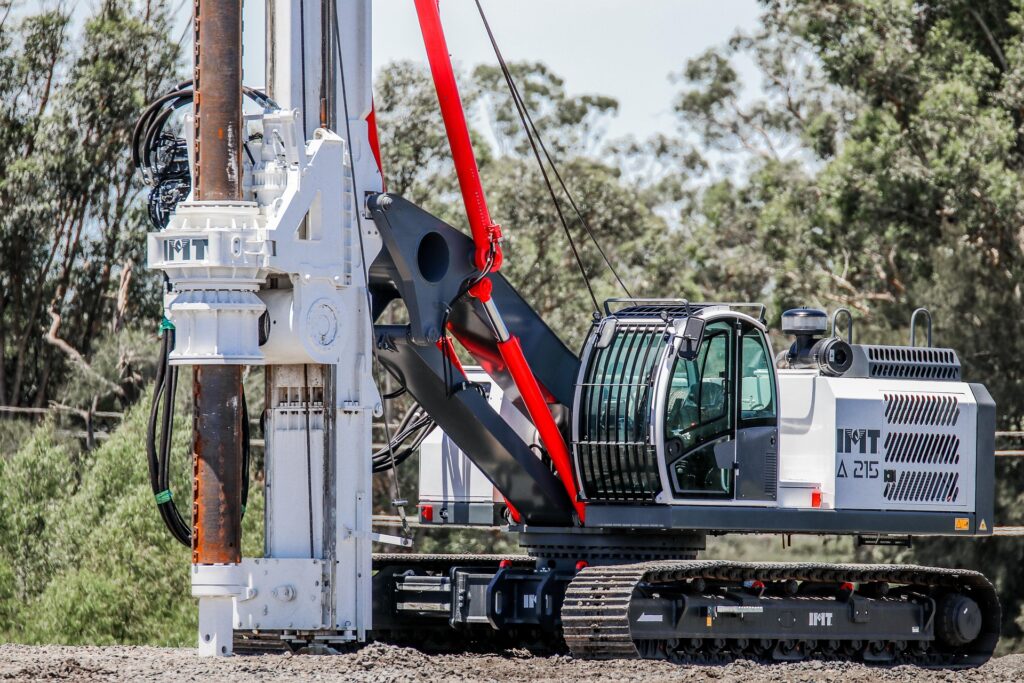
Drilling rigs are the backbone of oil and gas production. These massive structures operate around the clock to extract valuable energy resources from deep underground. While drilling rigs play a critical role in the global energy industry, they also represent one of the most dangerous workplaces in the world.
Workers on drilling rigs face constant risks from heavy equipment, high-pressure systems, hazardous materials, and extreme working conditions. Accidents can occur suddenly and often result in serious injuries that may change a worker’s life permanently.
When such incidents occur, injured workers may have the legal right to pursue financial compensation. A skilled drilling rig accident lawyer can help victims understand their legal options and pursue a fair drilling injury settlement to cover medical expenses, lost wages, and other damages.
Understanding the causes of drilling rig accidents and the legal rights available to injured workers is essential for protecting your future after a workplace injury.
Understanding the Dangers of Drilling Rig Work
Drilling rigs are complex machines designed to bore deep into the earth in search of oil and natural gas. These operations involve powerful machinery, rotating equipment, heavy pipes, and high-pressure drilling systems.
Workers often perform physically demanding tasks in environments that may include:
- Extreme heat or cold
- High noise levels
- Slippery surfaces
- Long work shifts
- Dangerous chemicals and gases
These conditions create a workplace where accidents can happen quickly if proper safety measures are not followed.
Common Causes of Drilling Rig Accidents
Many drilling rig accidents are preventable and occur because of negligence, unsafe practices, or equipment failures.
Some of the most common causes include:
Equipment Malfunctions
Drilling rigs rely on complex mechanical systems. If equipment such as pumps, winches, or drilling components fail, workers may be exposed to serious hazards.
Lack of Proper Training
Operating drilling equipment requires specialized knowledge and training. Workers who are not properly trained may unknowingly create dangerous situations.
Falling Equipment
Heavy tools, pipes, and equipment may fall from elevated platforms or cranes, posing a significant risk to workers below.
Slips and Falls
Drilling platforms may become slippery due to oil, water, or mud, increasing the likelihood of slip-and-fall accidents.
Explosions and Fires
Oil and gas operations involve flammable materials that can ignite under certain conditions, leading to fires or explosions.
Human Error
Mistakes during drilling operations can cause mechanical failures or hazardous conditions.
These factors contribute to the high rate of injuries in drilling environments.
Types of Drilling Rig Accidents
Drilling rig accidents can occur in many different ways depending on the circumstances and equipment involved.
Some common types of incidents include:
Blowouts
A blowout occurs when uncontrolled pressure forces oil or gas to escape from a well. Blowouts can cause catastrophic explosions or fires.
Equipment Crush Accidents
Workers may be crushed between heavy equipment or struck by moving machinery.
Falling From Heights
Drilling rigs often include elevated platforms where workers perform tasks. Falls from these heights can cause severe injuries.
Pipe Handling Accidents
Workers handling heavy drilling pipes may suffer injuries if the pipes slip or fall.
Electrical Accidents
Electrical systems used in drilling operations may cause shocks or burns if safety procedures are not followed.
These accidents can lead to devastating consequences for workers and their families.
Injuries Commonly Seen in Drilling Rig Accidents
Because drilling rigs involve heavy machinery and hazardous materials, injuries are often severe.
Some common injuries include:
Traumatic Brain Injuries
Workers struck by falling objects or involved in explosions may suffer head injuries that affect brain function.
Spinal Cord Injuries
Falls or crushing accidents can damage the spine, potentially leading to paralysis.
Broken Bones
Fractures to arms, legs, ribs, and other bones frequently occur in drilling accidents.
Burn Injuries
Fires and explosions may cause severe burns requiring extensive medical treatment.
Amputations
Machinery accidents can lead to the loss of fingers, hands, or limbs.
Internal Injuries
Blunt force trauma may damage internal organs such as the lungs or liver.
These injuries often require long-term medical care and rehabilitation.
Who May Be Responsible for Drilling Rig Accidents?
Determining liability after a drilling accident can be complex because multiple companies and contractors often operate at the same site.
A knowledgeable drilling rig accident lawyer can investigate the incident and identify responsible parties.
Possible liable parties include:
Oil and Gas Companies
Employers are responsible for maintaining safe working conditions and ensuring proper training.
Equipment Manufacturers
If defective machinery contributes to an accident, the manufacturer may be held responsible.
Contractors
Third-party contractors working on drilling sites may create unsafe conditions that lead to accidents.
Maintenance Companies
Companies responsible for maintaining equipment may be liable if they fail to identify mechanical issues.
Identifying all responsible parties helps ensure victims receive the full compensation they deserve.
Compensation Available for Drilling Injury Settlements
Workers injured in drilling rig accidents may be entitled to several forms of compensation.
A successful drilling injury settlement may include both economic and non-economic damages.
Medical Expenses
Injuries from drilling accidents often require extensive medical treatment.
Compensation may cover:
- Emergency medical care
- Hospital stays and surgeries
- Physical therapy
- Prescription medications
- Future medical treatment
These costs can quickly become overwhelming without financial assistance.
Lost Income
Serious injuries may prevent workers from returning to their jobs for months or even permanently.
Compensation may include:
- Lost wages during recovery
- Reduced earning capacity
- Future lost income
Because drilling jobs often provide high salaries, these financial losses can be substantial.
Pain and Suffering
Injured workers may also receive compensation for the physical and emotional impact of their injuries.
This may include damages for:
- Chronic pain
- Emotional distress
- Anxiety or depression
- Reduced quality of life
These damages recognize the long-term effects of serious injuries.
Permanent Disability
If an accident results in permanent disability, victims may require long-term support.
Compensation may cover:
- Ongoing medical care
- Assistive devices
- Home modifications
- Personal assistance services
These resources help injured workers maintain independence.
Wrongful Death Claims
If a drilling rig accident results in a fatality, family members may file a wrongful death lawsuit.
Compensation may include:
- Funeral and burial expenses
- Loss of financial support
- Loss of companionship
- Emotional suffering
These claims provide financial stability for families after tragic losses.
Steps to Take After a Drilling Rig Accident
Taking the right steps after an accident can help protect your health and legal rights.
Workers should:
- Seek immediate medical attention.
- Report the accident to supervisors.
- Document injuries and accident details.
- Take photographs of the scene if possible.
- Gather contact information from witnesses.
- Contact a drilling rig accident lawyer before speaking with insurance companies.
Preserving evidence early can strengthen your case.
Why Hiring a Drilling Rig Accident Lawyer Matters
Oilfield injury cases are often complicated and involve large corporations with powerful legal teams.
An experienced drilling rig accident lawyer can help victims by:
- Investigating the accident thoroughly
- Gathering evidence and expert testimony
- Identifying responsible parties
- Calculating the full value of damages
- Negotiating with insurance companies
- Representing victims in court if necessary
Having professional legal representation significantly increases the chances of obtaining a fair drilling injury settlement.
Improving Safety on Drilling Rigs
Although accidents still occur, many drilling injuries can be prevented when companies prioritize worker safety.
Important safety measures include:
- Regular equipment inspections
- Proper worker training programs
- Clear safety procedures
- Protective equipment for workers
- Compliance with industry safety regulations
Implementing these practices helps reduce accidents and protects workers from serious harm.
Final Thoughts
Drilling rigs are among the most hazardous workplaces in the energy industry. Workers face daily risks from heavy equipment, high-pressure systems, and dangerous materials.
When accidents occur due to negligence, defective equipment, or unsafe working conditions, injured workers have the right to seek compensation.
An experienced drilling rig accident lawyer can guide victims through the legal process and help them secure a fair drilling injury settlement that covers medical expenses, lost wages, and other damages.
Taking legal action not only helps injured workers recover financially but also encourages companies to improve safety standards and prevent future accidents in the oil and gas industry.