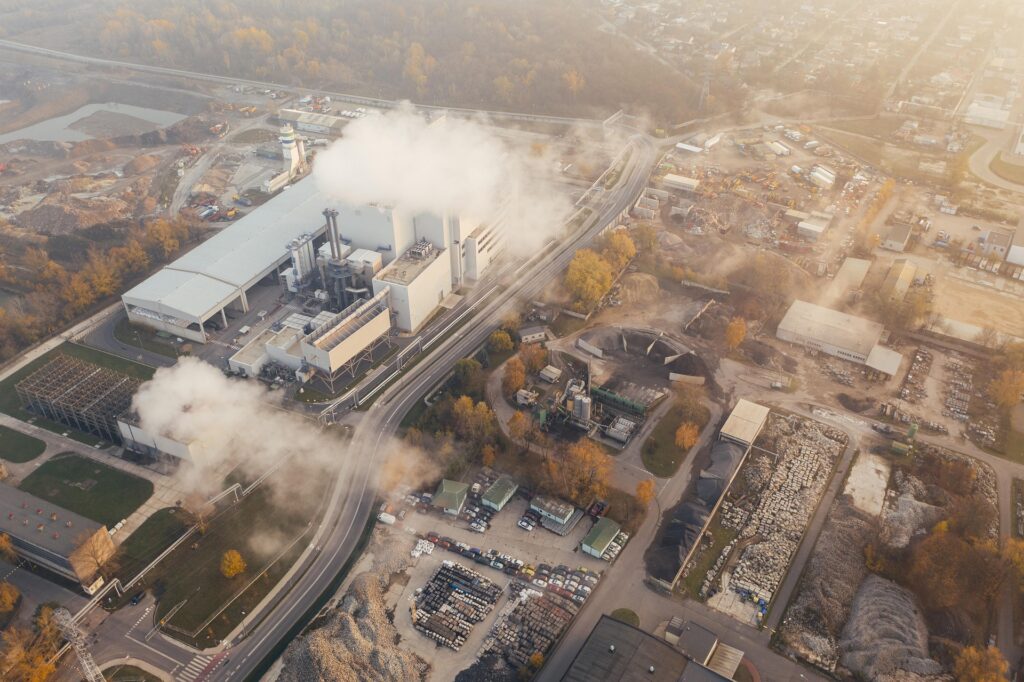
Working in the oil and gas industry is inherently dangerous, with employees facing exposure to hazardous chemicals on a daily basis. Oilfield workers handle fuels, solvents, drilling fluids, and other industrial chemicals that can cause severe injuries if mishandled. Exposure to these substances can result in chemical burns, respiratory issues, neurological damage, or long-term illnesses.
Workers who suffer injuries due to chemical accidents at oilfield sites have the right to seek compensation. Hiring an experienced industrial chemical injury lawyer ensures victims can pursue fair settlements, covering medical expenses, lost wages, rehabilitation, and ongoing care. This article provides a detailed guide on industrial chemical accidents, common injuries, legal rights, and steps for claiming compensation.
Understanding Industrial Chemical Accidents in Oilfields
Industrial chemical accidents occur when a worker comes into contact with harmful substances, either through inhalation, ingestion, or direct skin contact. In oilfields, these accidents often involve:
- Hydrocarbons and petroleum products
- Acids, caustics, and solvents
- Drilling muds and other chemical mixtures
- Hydrogen sulfide and other toxic gases
- Corrosive agents used in processing or maintenance
These substances can cause immediate injuries like chemical burns or respiratory distress, as well as long-term health issues such as organ damage, neurological problems, or chronic respiratory disease.
Common Causes of Chemical Accidents in Oilfields
Chemical accidents are often preventable, but negligence, equipment failures, or lack of proper safety protocols contribute to incidents. Common causes include:
Spills and Leaks
Accidental spills from storage tanks, pipelines, or containers can expose workers to harmful chemicals.
Equipment Malfunctions
Faulty pumps, valves, or containment systems can release dangerous substances, causing injuries.
Improper Handling
Lack of training or improper procedures can result in chemical exposure or burns.
Lack of Protective Gear
Failure to provide gloves, masks, or full-body protection increases the risk of injury.
Inadequate Ventilation
Poorly ventilated work areas can concentrate toxic fumes, increasing the risk of inhalation injuries.
Accidents During Transport
Chemical exposure can occur during the loading, unloading, or transportation of hazardous substances on oilfield sites.
Identifying the cause of the accident is critical to establishing liability and maximizing compensation.
Types of Chemical Injuries
Chemical injuries vary in severity depending on the substance and duration of exposure. Common types include:
Chemical Burns
Direct contact with acids, alkalis, or solvents can cause burns ranging from minor irritation to severe tissue damage.
Respiratory Injuries
Inhalation of toxic fumes can lead to chemical pneumonitis, lung damage, or chronic respiratory illness.
Eye Injuries
Exposure to chemical splashes can damage the eyes, resulting in irritation, blindness, or long-term vision problems.
Skin Reactions
Prolonged contact with chemicals can cause rashes, dermatitis, or allergic reactions.
Long-Term Health Issues
Repeated exposure may cause organ damage, neurological disorders, or increased cancer risk.
Prompt medical attention is critical to minimize the severity and prevent long-term complications.
Symptoms of Chemical Exposure
Recognizing the symptoms of chemical injuries ensures timely medical intervention. Common signs include:
- Severe pain or burning sensation
- Skin redness, blisters, or ulcers
- Difficulty breathing or shortness of breath
- Eye irritation, blurred vision, or loss of vision
- Nausea, dizziness, or headaches
- Neurological symptoms such as confusion or weakness
Workers should seek immediate medical attention even if symptoms appear minor, as delayed treatment can worsen injuries.
Legal Rights of Oilfield Workers
Workers injured in industrial chemical accidents have the right to pursue compensation. An experienced industrial chemical injury lawyer can help recover damages for:
- Medical expenses – emergency care, hospitalization, surgeries, medications, and rehabilitation
- Lost wages – income lost during recovery and reduced future earning capacity
- Pain and suffering – physical and emotional distress caused by injuries
- Disability benefits – for permanent impairments
- Wrongful death – if a chemical accident proves fatal, family members may recover damages
Legal representation ensures workers understand their rights and navigate complex claims effectively.
Potentially Liable Parties
Several parties may be responsible for chemical accidents in oilfields:
Employers
Employers must maintain safe workplaces, provide proper training, and enforce safety protocols. Negligence can result in liability.
Contractors
Third-party contractors may contribute to unsafe conditions or mishandle chemicals, increasing accident risk.
Equipment Manufacturers
Defective pumps, valves, storage tanks, or protective equipment can lead to chemical exposure.
Maintenance Companies
Failure to maintain or inspect equipment properly can result in leaks, spills, or other hazardous incidents.
Identifying all liable parties strengthens the case and ensures fair compensation.
Steps to Take After a Chemical Accident
Immediate action after a chemical accident is essential for health and legal purposes:
- Seek medical attention immediately, even if symptoms seem mild.
- Report the accident to supervisors or safety officers.
- Document the incident with photos, videos, and detailed notes.
- Collect witness statements from coworkers or other personnel present.
- Keep medical records and invoices for treatment, rehabilitation, and follow-up care.
- Consult an experienced industrial chemical injury lawyer before speaking to insurance companies.
Proper documentation and legal guidance help secure a successful claim.
Compensation Available for Industrial Chemical Injuries
Workers injured in chemical accidents may be entitled to several types of compensation:
Medical Expenses
Covers emergency treatment, surgeries, therapy, medications, and long-term care.
Lost Wages
Includes income lost during recovery and potential future earnings if injuries affect work capacity.
Pain and Suffering
Damages for physical pain, emotional distress, and lifestyle changes caused by chemical injuries.
Disability Benefits
For permanent impairment, compensation may include support for physical limitations and ongoing medical care.
Wrongful Death
Family members may recover damages if a chemical accident leads to fatal injuries.
Why Hiring an Industrial Chemical Injury Lawyer Matters
Chemical accident claims can be complex due to multiple parties, corporate liability, and insurance disputes. An experienced industrial chemical injury lawyer can:
- Investigate the incident thoroughly
- Gather medical records and expert testimony
- Identify all liable parties
- Calculate the total value of damages
- Negotiate with insurers for fair settlements
- Represent the worker in court if necessary
Having legal representation ensures maximum compensation and proper support for the injured worker.
Preventing Chemical Injuries in Oilfields
Although chemical accidents cannot be entirely eliminated, proper safety measures reduce risks:
- Regular maintenance and inspection of storage tanks, pipelines, and equipment
- Comprehensive safety training programs
- Use of proper personal protective equipment (PPE)
- Adequate ventilation and gas detection systems
- Strict protocols for handling, transporting, and disposing of chemicals
- Emergency response plans and first-aid preparedness
A culture of safety protects workers from severe injuries and reduces the risk of accidents.
Final Thoughts
Industrial chemical accidents are a serious risk in the oilfield industry, with potential for life-altering injuries or fatalities. Workers exposed to harmful chemicals due to negligence or unsafe conditions have the right to pursue compensation.
Hiring an experienced industrial chemical injury lawyer ensures access to a fair settlement covering medical care, lost wages, rehabilitation, and long-term damages. Legal action not only helps victims recover but also encourages safer workplace practices across the oilfield industry.