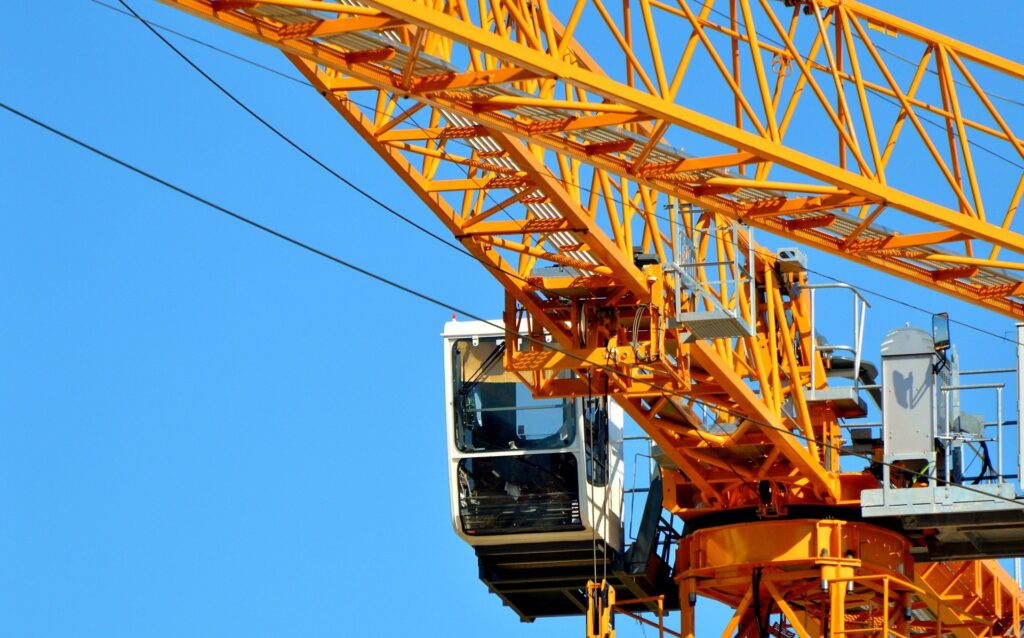
Cranes play a vital role in oilfield operations. These powerful machines are used to lift and move heavy drilling equipment, pipes, storage tanks, and other materials essential to oil and gas production. Without cranes, many oilfield tasks would be impossible to complete.
However, cranes are also one of the most dangerous pieces of equipment used in the oil and gas industry. When crane accidents occur, they often result in catastrophic injuries or even fatalities. Workers may be struck by falling loads, crushed by heavy equipment, or injured due to mechanical failures.
Oilfield workers who suffer injuries in crane accidents may have the legal right to seek compensation. An experienced oilfield crane accident lawyer can help injured workers file a crane injury lawsuit and pursue financial recovery for medical expenses, lost income, and other damages.
Understanding how crane accidents happen and what legal options are available can help workers protect their rights after a serious workplace injury.
The Importance of Cranes in Oilfield Operations
Oilfield sites rely on cranes for many critical tasks. These machines are capable of lifting extremely heavy loads that workers cannot move manually.
Common oilfield crane tasks include:
- Lifting drilling pipes and equipment
- Transporting heavy machinery
- Installing drilling rig components
- Moving storage tanks and containers
- Handling construction materials
Because oilfield equipment is often extremely large and heavy, cranes are essential for maintaining productivity and efficiency on drilling sites.
However, these machines must be operated carefully and maintained properly to ensure worker safety.
Why Crane Accidents Are So Dangerous
Crane accidents can be particularly devastating because of the massive weight involved in lifting operations. When something goes wrong, workers may have very little time to react.
A single crane load may weigh several tons. If the load drops or swings unexpectedly, anyone nearby may suffer serious injuries.
Additionally, cranes operate at great heights, increasing the risk of falling objects. These factors make crane accidents one of the most severe hazards in oilfield workplaces.
Common Causes of Oilfield Crane Accidents
Crane accidents often occur due to preventable factors such as negligence or poor safety practices.
Some of the most common causes include:
Operator Error
Crane operators must undergo extensive training to safely control lifting operations. If an operator lacks experience or makes mistakes while handling a load, accidents can occur.
Overloaded Cranes
Every crane has a maximum lifting capacity. If a load exceeds this limit, the crane may collapse or tip over.
Equipment Malfunctions
Mechanical problems such as hydraulic failures, broken cables, or faulty controls can cause cranes to operate unpredictably.
Poor Maintenance
Regular inspections and maintenance are essential to ensure cranes function properly. Neglecting maintenance increases the risk of accidents.
Unstable Ground Conditions
Oilfield sites may have uneven or unstable terrain. If cranes are not properly stabilized, they may tip over during lifting operations.
Falling Loads
Improperly secured loads may slip or fall during lifting, posing serious risks to workers below.
These hazards highlight the importance of strict safety procedures when operating cranes in oilfields.
Types of Crane Accidents in Oilfields
Several types of crane accidents commonly occur in oilfield environments.
Crane Collapse
A crane may collapse due to mechanical failure, structural defects, or overloaded lifting operations.
Falling Loads
Loads may fall if rigging equipment fails or if materials are improperly secured.
Crane Tip-Overs
Unstable ground or improper crane setup can cause the crane to tip over during operation.
Workers Struck by Loads
Workers may be struck by swinging or falling loads during lifting operations.
Electrocution Accidents
Cranes operating near power lines may cause electrical hazards that result in serious injuries.
Each of these accidents can cause severe harm to workers and others on the job site.
Injuries Caused by Crane Accidents
Crane accidents often result in serious injuries due to the weight and height involved in lifting operations.
Common injuries include:
Traumatic Brain Injuries
Workers struck by falling objects may suffer head injuries that affect brain function.
Spinal Cord Injuries
Falls or crushing accidents may damage the spine, potentially leading to paralysis.
Crush Injuries
Workers trapped under heavy equipment or falling loads may suffer crushed bones or internal injuries.
Broken Bones
The impact of heavy loads often results in fractures to arms, legs, ribs, and other bones.
Burn Injuries
Electrical accidents involving cranes can cause severe burns.
Amputations
Machinery accidents may result in the loss of limbs or digits.
These injuries often require extensive medical treatment and long-term rehabilitation.
Who May Be Liable for Oilfield Crane Accidents?
Determining responsibility after a crane accident can be complex because several parties may be involved in crane operations.
An experienced oilfield crane accident lawyer can investigate the incident to identify liable parties.
Potentially responsible parties may include:
Oilfield Companies
Employers are responsible for maintaining safe working conditions and ensuring proper training for crane operators.
Crane Operators
If the operator acts negligently or violates safety procedures, they may be partially responsible.
Equipment Manufacturers
Defective crane components or design flaws may lead to accidents.
Maintenance Companies
Third-party companies responsible for crane maintenance may be liable if they fail to detect mechanical problems.
Contractors
Contractors working at the oilfield site may contribute to unsafe conditions.
Identifying all responsible parties is essential for securing full compensation for injured workers.
Compensation in Crane Injury Lawsuits
Workers injured in crane accidents may be entitled to various types of financial compensation.
A successful crane injury lawsuit may include several categories of damages.
Medical Expenses
Crane accident injuries often require expensive medical care.
Compensation may cover:
- Emergency treatment
- Hospital stays and surgeries
- Physical therapy
- Rehabilitation programs
- Prescription medications
- Future medical care
These costs can become overwhelming without financial support.
Lost Wages
Injured workers may be unable to return to work while recovering.
Compensation may include:
- Lost income during recovery
- Reduced earning capacity
- Future lost wages
Oilfield jobs typically provide high salaries, so these financial losses can be significant.
Pain and Suffering
Victims may also receive compensation for the physical and emotional impact of their injuries.
These damages may include:
- Chronic physical pain
- Emotional distress
- Mental trauma
- Reduced quality of life
Disability Compensation
If a crane accident results in permanent disability, victims may require long-term care and support.
Compensation may cover:
- Ongoing medical treatment
- Assistive devices
- Home modifications
- Personal care services
These resources help victims maintain independence.
Wrongful Death Claims
If a crane accident leads to a fatality, surviving family members may file a wrongful death claim.
Compensation may include:
- Funeral and burial expenses
- Loss of financial support
- Loss of companionship
- Emotional suffering
These claims help families recover financially after a tragic loss.
Steps to Take After a Crane Accident
Workers involved in crane accidents should take important steps to protect their health and legal rights.
These steps include:
- Seek immediate medical attention.
- Report the accident to supervisors or management.
- Document injuries and accident details.
- Take photographs of the accident scene if possible.
- Gather witness contact information.
- Contact an oilfield crane accident lawyer before speaking with insurance companies.
Taking these actions early can help preserve important evidence for a legal claim.
Why Hiring an Oilfield Crane Accident Lawyer Is Important
Crane accident cases in the oil and gas industry are often complex and involve large corporations and insurance companies.
An experienced oilfield crane accident lawyer can help victims by:
- Investigating the accident thoroughly
- Gathering evidence and expert testimony
- Identifying responsible parties
- Calculating the full value of damages
- Negotiating with insurance companies
- Representing victims in court if necessary
Legal representation significantly improves the chances of obtaining fair compensation.
Improving Crane Safety in Oilfields
Preventing crane accidents requires strict adherence to safety regulations and best practices.
Companies should implement measures such as:
- Regular crane inspections
- Proper operator training programs
- Safe rigging procedures
- Clear communication between workers
- Compliance with industry safety standards
When companies prioritize safety, they can significantly reduce the risk of crane accidents and protect workers.
Final Thoughts
Cranes are essential tools in oilfield operations, but they also present serious risks when safety procedures are ignored. Crane accidents can cause life-altering injuries and financial hardship for workers and their families.
If a crane accident occurs due to negligence, defective equipment, or unsafe working conditions, injured workers have the right to pursue compensation.
An experienced oilfield crane accident lawyer can help victims file a crane injury lawsuit, investigate the cause of the accident, and secure the financial recovery they deserve.
Taking legal action not only helps injured workers rebuild their lives but also encourages oilfield companies to maintain safer workplaces and prevent future accidents.