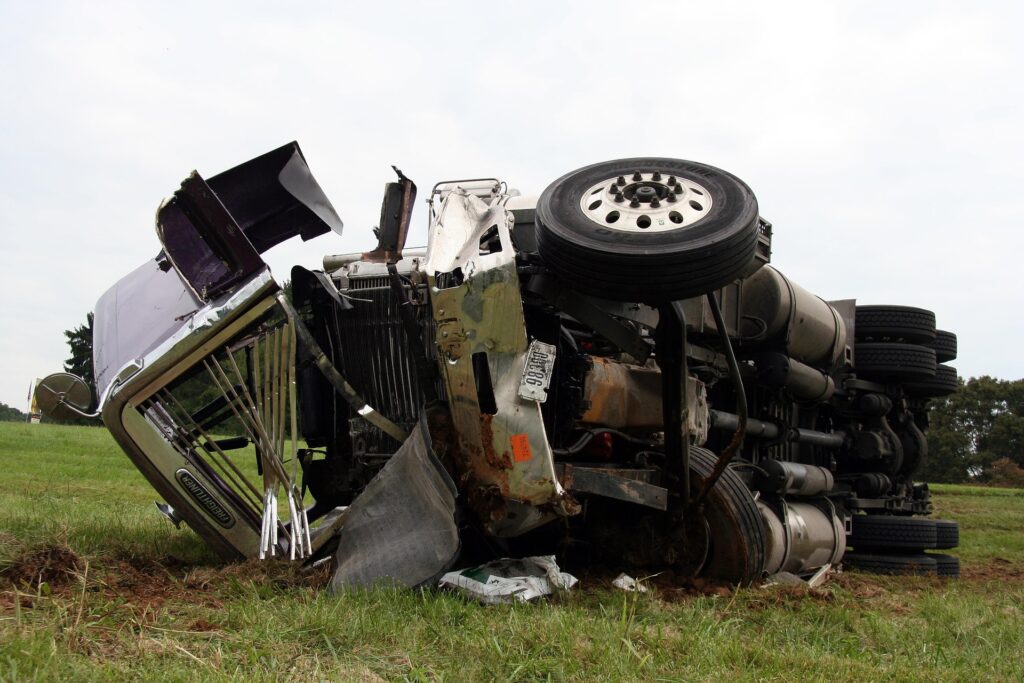
The oil and gas industry depends heavily on transportation. Trucks and heavy vehicles are constantly used to move equipment, oil, chemicals, and workers between drilling sites, refineries, and storage facilities. These vehicles travel long distances, often through remote areas and hazardous conditions.
Because of the demanding nature of oilfield transportation, truck accidents are unfortunately common. Oilfield trucks are typically much larger and heavier than standard vehicles, making accidents extremely dangerous for drivers, workers, and others on the road.
When an accident occurs, injured workers may suffer serious injuries that require long-term medical treatment and may prevent them from returning to work. In such cases, victims may be entitled to financial compensation. An experienced oilfield truck accident lawyer can help injured workers pursue an oilfield vehicle accident claim to recover damages for medical bills, lost wages, and pain and suffering.
Understanding your legal rights after an oilfield truck accident is crucial for protecting your financial future and ensuring accountability.
Why Oilfield Truck Accidents Are Common
Transportation is a critical part of oilfield operations. Workers rely on trucks to deliver drilling equipment, fuel, pipes, chemicals, and other materials to job sites. These vehicles often operate under demanding schedules and in difficult environments.
Several factors contribute to the high risk of truck accidents in the oilfield industry:
- Long driving hours and fatigue
- Heavy loads and oversized equipment
- Poor road conditions near drilling sites
- Remote locations with limited infrastructure
- Pressure to meet tight delivery deadlines
These conditions increase the likelihood of accidents that can cause serious injuries or fatalities.
Types of Vehicles Used in Oilfields
Oilfield transportation involves a wide variety of specialized vehicles, including:
- Water trucks
- Tanker trucks carrying oil or chemicals
- Flatbed trucks transporting heavy equipment
- Vacuum trucks used for waste removal
- Pickup trucks used by supervisors and field workers
Because many of these vehicles carry hazardous materials or extremely heavy loads, accidents can have devastating consequences.
Common Causes of Oilfield Truck Accidents
Oilfield truck accidents often occur due to negligence or unsafe working conditions. Some of the most common causes include:
Driver Fatigue
Oilfield truck drivers often work long shifts and travel great distances between job sites. Fatigue can impair judgment, slow reaction times, and increase the risk of accidents.
Speeding and Tight Schedules
Drivers may feel pressure to deliver materials quickly in order to keep drilling operations running. This pressure can lead to speeding or reckless driving.
Poor Vehicle Maintenance
Oilfield trucks require regular inspections and maintenance. Faulty brakes, worn tires, or engine problems can lead to serious accidents if not addressed promptly.
Overloaded Trucks
Transporting equipment and materials often requires heavy loads. Overloaded trucks can become unstable and difficult to control.
Hazardous Road Conditions
Oilfield sites are often located in rural areas where roads may be narrow, uneven, or poorly maintained.
Inexperienced Drivers
Some companies hire drivers without proper training or experience operating large commercial vehicles.
These factors can combine to create extremely dangerous situations for workers and other motorists.
Injuries Caused by Oilfield Truck Accidents
Oilfield truck accidents can cause a wide range of serious injuries due to the size and weight of these vehicles.
Traumatic Brain Injuries
Head injuries are common in truck accidents. Victims may suffer concussions or traumatic brain injuries that affect memory, concentration, and cognitive abilities.
Spinal Cord Injuries
Severe accidents can damage the spinal cord, potentially causing paralysis or long-term mobility problems.
Broken Bones
The impact of a truck accident can result in fractures to the arms, legs, ribs, and other bones.
Internal Injuries
Victims may suffer damage to internal organs such as the lungs, liver, or kidneys.
Burn Injuries
If a truck carrying flammable materials catches fire during a crash, workers may suffer serious burns.
Emotional Trauma
Truck accidents can also cause psychological effects such as anxiety, depression, and post-traumatic stress disorder.
These injuries may require extensive medical treatment and long-term rehabilitation.
Who Can Be Held Responsible for Oilfield Truck Accidents?
Determining liability after an oilfield truck accident can be complex because multiple parties may be involved.
An experienced oilfield truck accident lawyer can investigate the accident to identify all responsible parties.
Potential liable parties include:
Truck Drivers
If the driver was speeding, distracted, or driving while fatigued, they may be responsible for the accident.
Oilfield Companies
Companies that employ truck drivers must ensure that their employees follow safety regulations and receive proper training.
Trucking Companies
Third-party transportation companies hired by oilfield operators may be responsible if they fail to maintain their vehicles or enforce safety rules.
Vehicle Manufacturers
Defective parts such as brakes, tires, or steering systems may cause accidents.
Maintenance Providers
Companies responsible for maintaining trucks may be liable if they fail to repair mechanical issues.
Identifying all responsible parties helps ensure that victims receive full compensation.
Compensation Available for Oilfield Vehicle Accident Claims
Victims injured in oilfield truck accidents may be entitled to financial compensation for their losses.
A successful oilfield vehicle accident claim may include several types of damages.
Medical Expenses
Medical treatment after a truck accident can be extremely expensive. Compensation may cover:
- Emergency medical care
- Hospitalization
- Surgeries
- Rehabilitation therapy
- Prescription medications
- Long-term medical treatment
Future medical costs related to the injury may also be included.
Lost Wages
Serious injuries may prevent victims from returning to work for an extended period.
Victims may recover compensation for:
- Lost income during recovery
- Reduced earning capacity
- Future lost wages
Oilfield jobs often offer high salaries, so these financial losses can be significant.
Pain and Suffering
Victims may also receive compensation for non-economic damages such as:
- Physical pain
- Emotional distress
- Mental trauma
- Reduced quality of life
These damages recognize the impact that serious injuries can have on a person’s overall well-being.
Disability Compensation
If an accident results in permanent disability, victims may require ongoing care and support.
Compensation may cover:
- Long-term medical treatment
- Assistive devices
- Home modifications
- Personal care services
These resources help victims maintain independence and improve their quality of life.
Wrongful Death Claims
If an oilfield truck accident results in death, surviving family members may file a wrongful death lawsuit.
Compensation may include:
- Funeral expenses
- Loss of financial support
- Loss of companionship
- Emotional suffering
These claims help families recover financially after tragic losses.
Steps to Take After an Oilfield Truck Accident
Taking the right steps after an accident can protect your health and strengthen your legal claim.
Injured workers should:
- Seek immediate medical attention.
- Report the accident to supervisors or authorities.
- Document injuries and accident details.
- Take photographs of the accident scene if possible.
- Collect witness contact information.
- Contact an oilfield truck accident lawyer before speaking with insurance companies.
These steps can help ensure that important evidence is preserved.
Why You Need an Oilfield Truck Accident Lawyer
Oilfield truck accident cases can be complex because they often involve multiple companies, insurance providers, and legal regulations.
An experienced oilfield truck accident lawyer can help victims by:
- Investigating the cause of the accident
- Collecting evidence and witness statements
- Identifying responsible parties
- Calculating the full value of damages
- Negotiating with insurance companies
- Representing victims in court if necessary
Legal professionals understand the regulations governing commercial trucking and oilfield operations, which helps them build strong cases for injured workers.
Preventing Oilfield Truck Accidents
Although accidents still occur, many oilfield truck accidents can be prevented with proper safety measures.
Companies should implement safety practices such as:
- Limiting driver work hours to prevent fatigue
- Conducting regular vehicle inspections
- Providing proper driver training
- Enforcing speed limits and safety policies
- Maintaining safe road conditions around drilling sites
Prioritizing safety helps protect workers and reduces the risk of serious accidents.
Final Thoughts
Oilfield truck accidents are a serious problem in the energy industry. These accidents often result in severe injuries, financial hardship, and emotional trauma for victims and their families.
When accidents occur due to negligence, unsafe working conditions, or mechanical failures, injured workers have the right to seek compensation.
An experienced oilfield truck accident lawyer can help victims pursue an oilfield vehicle accident claim, investigate the cause of the accident, and secure the compensation they deserve.
Taking legal action not only helps injured workers recover financially but also encourages companies to improve safety practices and prevent future accidents in oilfield transportation operations.